Subtidal Scales Harmful Algal Bloom Detection Across Freshwater Lakes
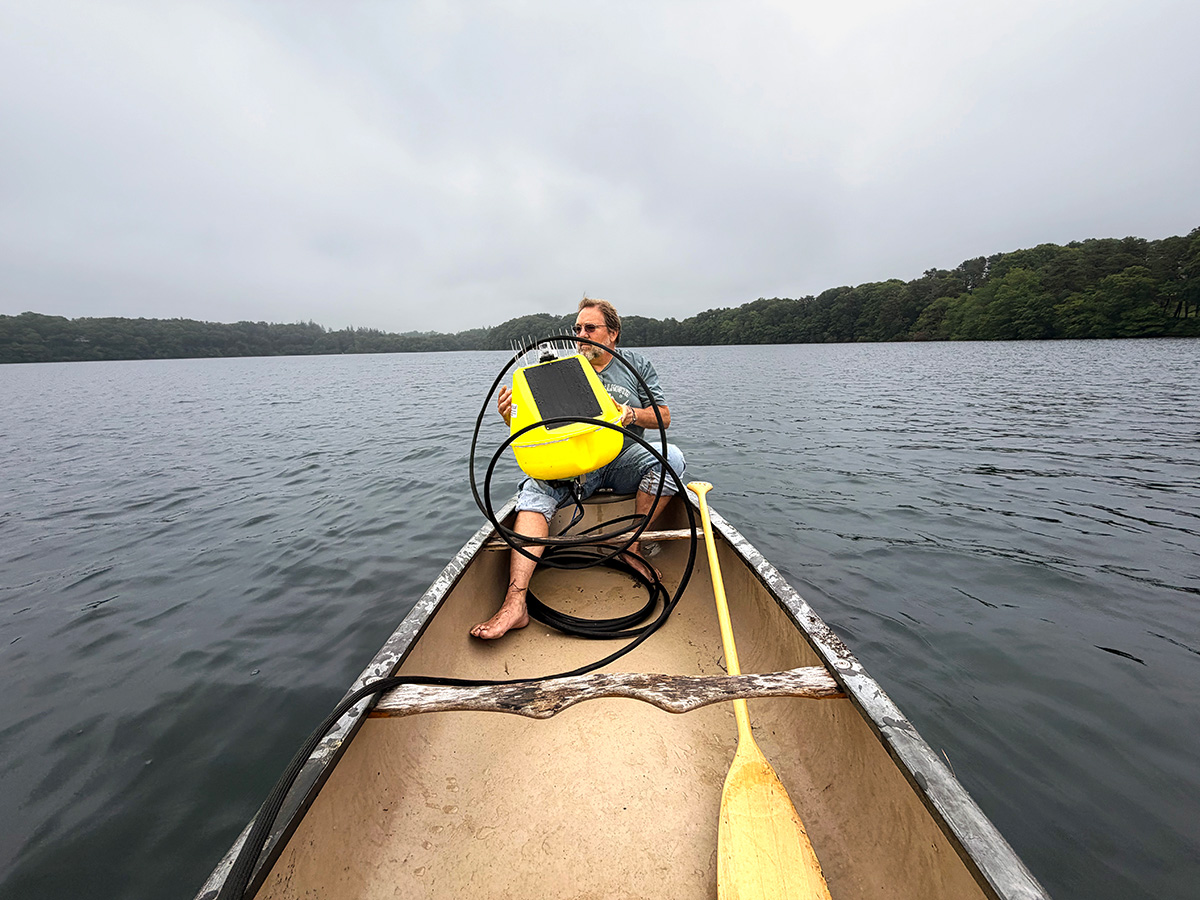
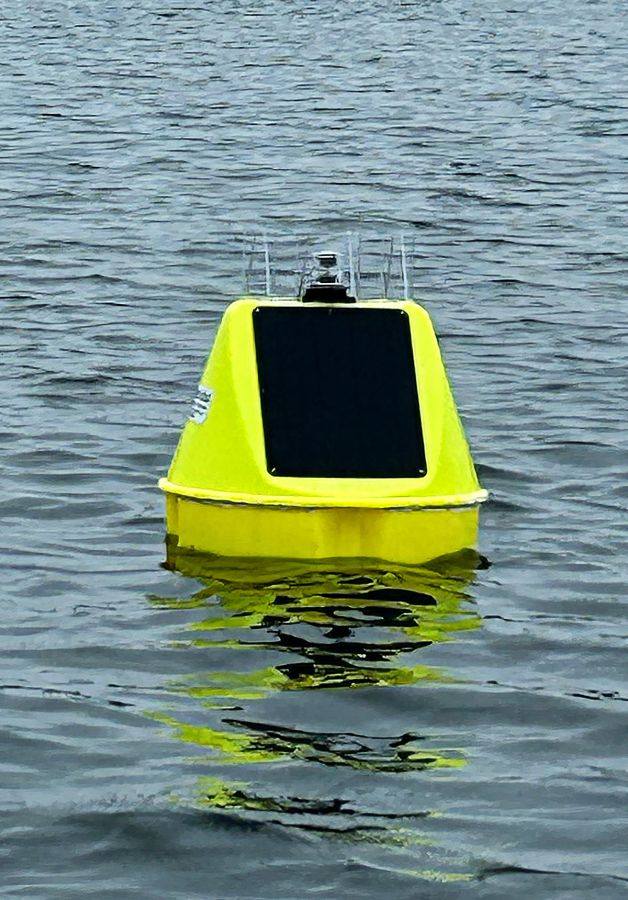
Subtidal, a 2026 Ocean Enterprise Accelerator team, builds real-time aquatic monitoring and harmful algal bloom intelligence systems. The team's core strength is the ability to turn raw water data into real, actionable insight. They spent a year testing that skill across fisheries, aquaculture, and ports, searching for the market that needed it most. They found it close to home in the Great Lakes. Their existing platform needed just one adaptation to take on harmful algal bloom detection, a six-week turn from concept to deployment.
The Technology: Faster Answers, Lower Cost
The results speak for themselves: 3 paid pilots last year to 12 this year. Redesigned, modular buoys drove an 80% cut to the cost of their monitoring system, and Subtidal is now building models to not just detect if a harmful algal bloom is occurring, but if and where the water is actually toxic. As Co-Founder Casey Wilson explains: "Cyanobacteria are old, and they're good at what they do. They control their buoyancy, they clump or disperse, and they release toxins."
Braid Theory's Role: Sharpening the Business Behind the Science
Through the Ocean Enterprise Accelerator, Subtidal has spent months sharpening customer segments and testing how a company built on close, one-to-one lake association relationships can scale. "I talk to people, I hear where they're coming from, and I learn where to adapt our offering," Wilson said of the approach that's gotten them this far.
Next Chapter: Scaling Toward Commercialization
Support from Braid Theory has played a role in helping Subtidal sharpen its customer segments and think through what scale looks like, but it's the team's own execution, a validated technology, a fast-growing pilot base, and a founder who knows exactly how to listen to her market, that is powering Subtidal's push into commercialization.
